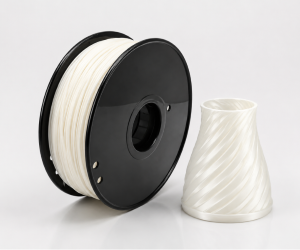
TPU Filament Guide: Properties, Applications and Printing Tips
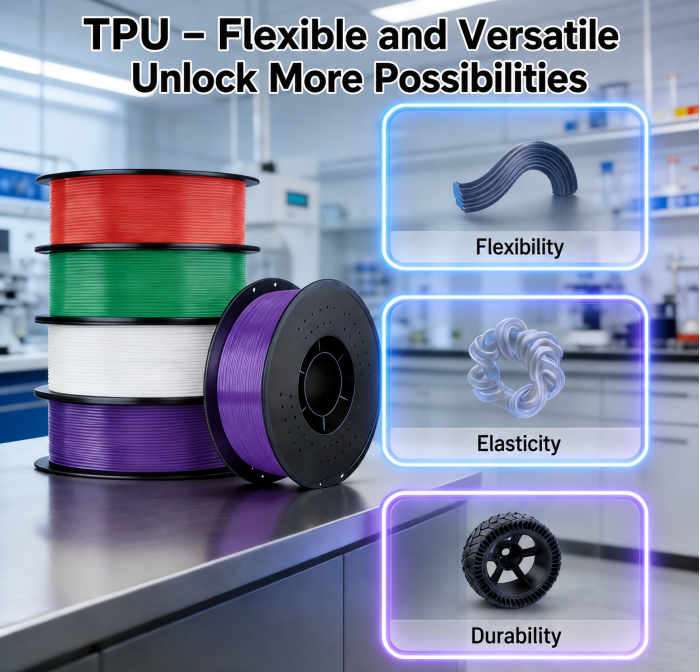
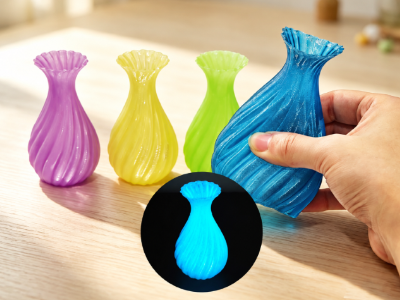
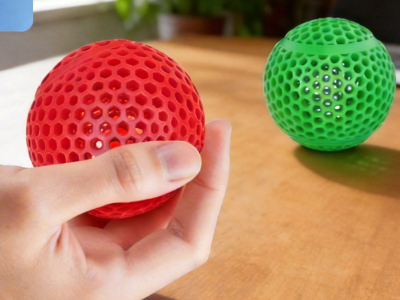
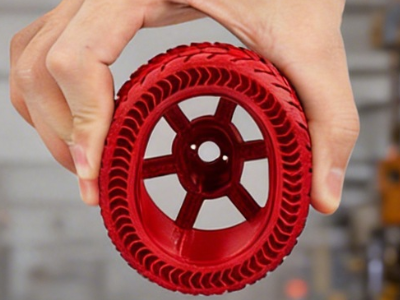
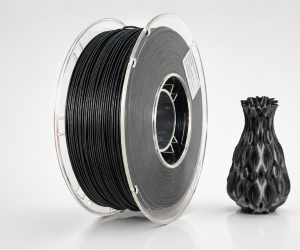
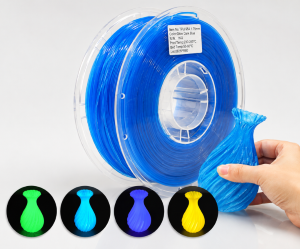
TPU (Thermoplastic Polyurethane) is a popular flexible material for 3D printing. Unlike rigid filaments such as PLA and ABS, TPU offers excellent flexibility, elasticity, abrasion resistance, and impact resistance, making it suitable for products that need to bend, compress, or absorb impact.
Key Properties of TPU Filament
TPU filament is available in different hardness levels, such as 85A, 90A, 95A, and 98A. Softer TPU provides greater flexibility, while harder grades offer better support and easier printing.
Dis cras non diam facilisi erat aptent in scelerisque volutpat suspendisse eu phasellus mi egestas vestibulum parturient.
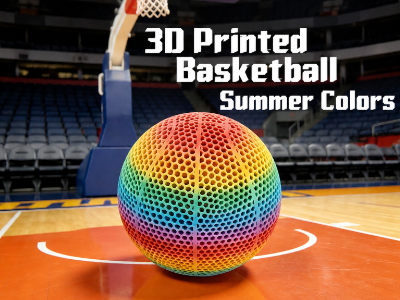
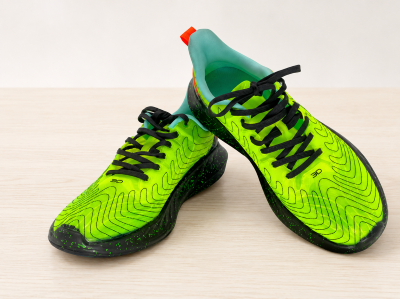
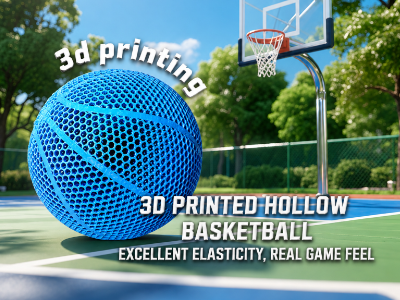
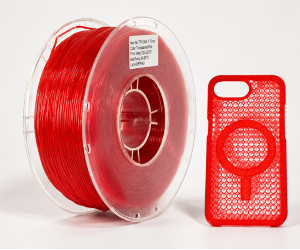
TPU is widely used for flexible and durable 3D printed products, including shoe uppers, insoles, protective covers, seals, gaskets, wearable products, model parts, and sports equipment.
Applications of TPU Filament
TPU Printing Tips
Because TPU is flexible, it generally requires slower printing speeds than rigid materials. Keep the filament dry before printing and use a suitable direct-drive extrusion system when possible. Avoid excessive retraction to reduce the risk of filament tangling or extrusion problems.
With the right printing settings and material hardness, TPU can produce flexible parts with excellent durability and performance.
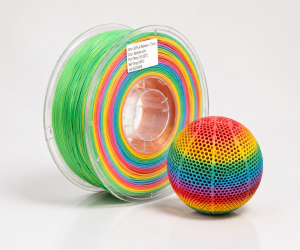
Looking for reliable TPU 3D printing filament? Contact us to discuss TPU materials, hardness options, colors, and customized solutions for your market.